Get Free Quote
Contact us for personalized pricing
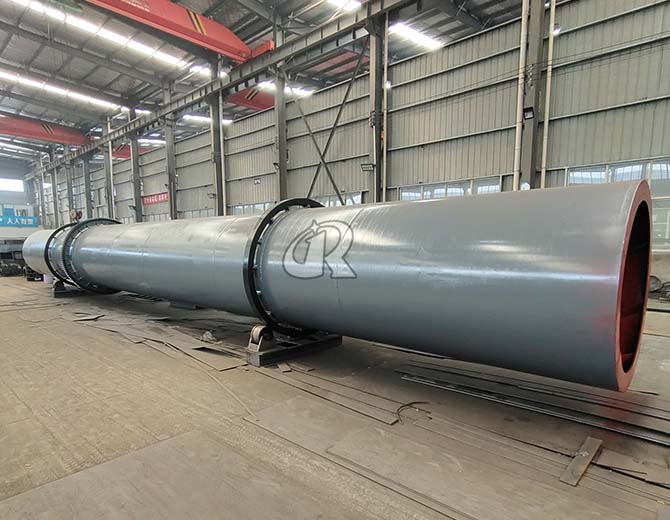
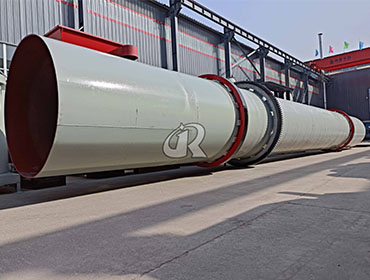
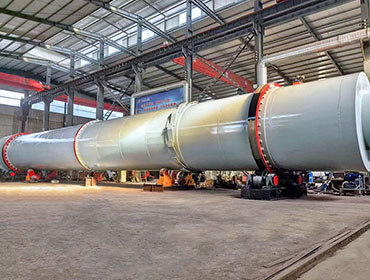
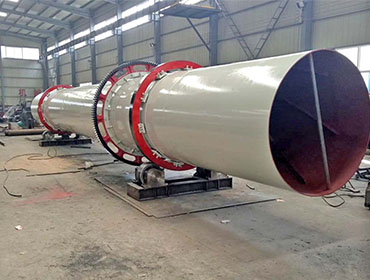
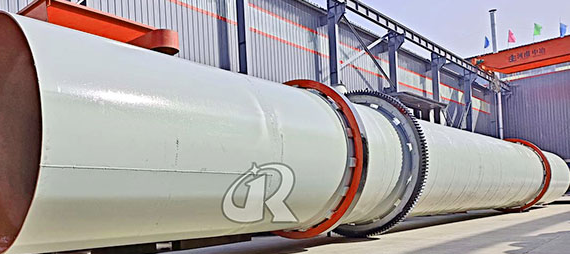
Palm Fiber Rotary Dryer | Palm Fiber Drying Machine - Turn Palm Waste into Biomass Fuel
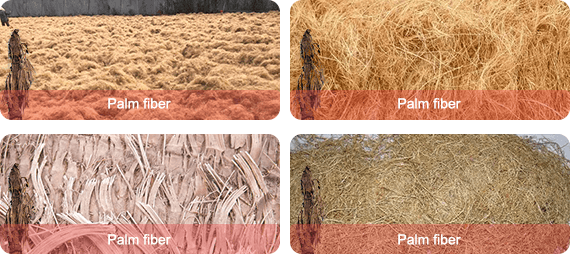
Palm fiber is one of the main solid waste products generated during palm oil processing. For every ton of fresh fruit bunches (FFB) processed, approximately 12%-15% of palm fiber is produced. Fresh palm fiber has a moisture content as high as 60%-75%, with long, loose fibers that readily absorb water, ferment, and decompose—causing serious environmental pollution, high disposal costs, and potential regulatory penalties.
Our Palm Fiber Rotary Dryer is specifically designed to solve this problem. Utilizing rotary drum drying technology combined with a powerful breaking device and anti-tangling design, it rapidly reduces palm fiber moisture from 60%-75% to below 12%-15%. Dried palm fiber is stable, with a high calorific value (reaching 3500-4500 kcal/kg), and can be used as high-quality biomass fuel for boilers and power plants, or in fiberboard production, organic fertilizer base material, animal bedding, and more—turning waste into a stable source of profit.
Dried products from the palm fiber drying machine can be widely used in the following applications:
| Application | Dried Product | Value Proposition |
|---|---|---|
| Biomass Fuel | Palm fiber pellets, palm fiber fuel | Calorific value reaches 3500-4500 kcal/kg, can be directly used as boiler fuel to replace coal, reducing energy costs |
| Fiberboard Production | Palm fiberboard, medium-density fiberboard | Serves as a substitute for wood fiber in the production of eco-friendly fiberboard, acoustic panels, and packaging materials |
| Organic Fertilizer | Palm fiber organic fertilizer | Rich in organic matter, can be fermented into high-quality organic fertilizer for soil improvement and recycling in oil palm plantations |
| Animal Bedding | Livestock bedding | Highly absorbent and breathable, used for cattle, sheep, and poultry farms to improve animal living conditions |
| Paper Pulp | Palm fiber pulp | Serves as a non-wood fiber raw material for producing packaging paper, cardboard, and more |
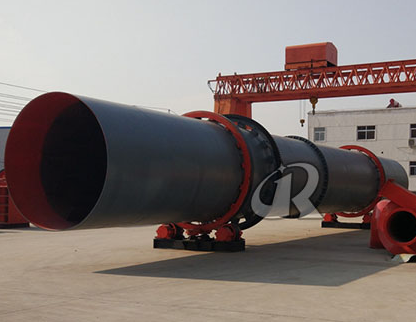
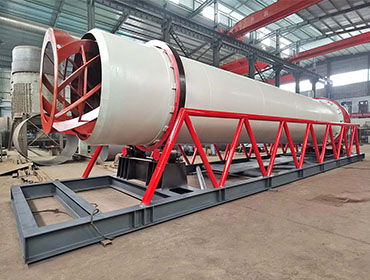
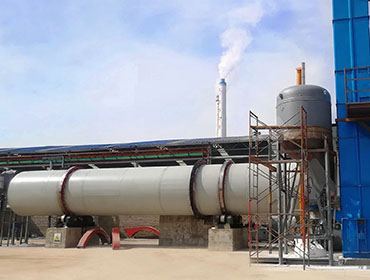
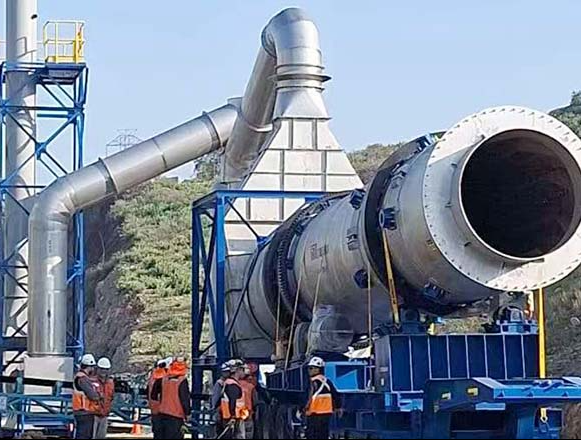
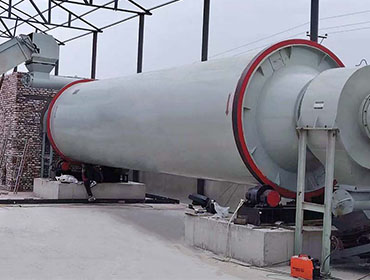
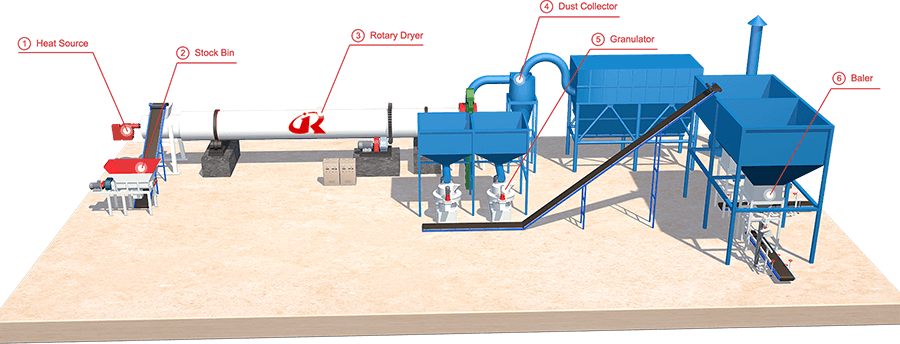
This rotary palm fiber dryer utilizes a co-current drying process, specially optimized for the long-fiber, high-moisture, and easily tangled characteristics of palm fiber.
Feeding & Powerful Breaking: Wet palm fiber (60%-75% moisture) is fed into the cylinder via a conveyor. A heavy-duty powerful breaking device and anti-tangling mechanism at the feed end forcibly break up and uniformly disperse agglomerated wet fiber, preventing tangling and blockage.
Efficient Heat Exchange: A hot air furnace generates hot air (temperature precisely adjustable between 150°C-350°C based on fiber characteristics), which fully contacts the fibers inside the cylinder. The cylinder interior features a combined lifting plate system, constantly lifting and loosening the fibers to form a uniform “material curtain,” maximizing heat exchange efficiency.
Co-Current Drying Process: Hot air and material flow in the same direction (co-current). High-temperature hot air first contacts the high-moisture fiber, rapidly evaporating surface moisture, preventing fiber charring while improving thermal efficiency.
Gas-Solid Separation: The dried palm fiber (moisture reduced to 12%-15%) is discharged via a discharger, while dust-laden exhaust gas enters a high-efficiency pulse baghouse filter to ensure emission compliance and clean production.
| Model | Cylinder Dia. (m) | Cylinder Length (m) | Capacity (t/h) | Initial Moisture | Final Moisture | Power (kW) |
|---|---|---|---|---|---|---|
| Φ1.2×10m | 1.2 | 10 | 1-3 | 60%-75% | 12%-15% | 22 |
| Φ1.5×12m | 1.5 | 12 | 2-5 | 60%-75% | 12%-15% | 37 |
| Φ1.8×14m | 1.8 | 14 | 4-8 | 60%-75% | 12%-15% | 55 |
| Φ2.0×16m | 2.0 | 16 | 6-12 | 60%-75% | 12%-15% | 75 |
| Φ2.2×18m | 2.2 | 18 | 8-16 | 60%-75% | 12%-15% | 90 |
| Φ2.4×20m | 2.4 | 20 | 12-22 | 60%-75% | 12%-15% | 110 |
| Φ2.6×22m | 2.6 | 22 | 16-30 | 60%-75% | 12%-15% | 132 |
Note: Data based on typical palm fiber material. Final specifications subject to material testing results. Custom sizes available upon request.
Designed for Palm Oil Industry: We deeply understand the characteristics of palm fiber—long fibers, high moisture, easy tangling, and high fiber content. From the breaking device to the anti-tangling mechanism, every aspect is optimized for palm fiber.
Turn Waste into Value, Create Additional Revenue: Dried palm fiber can be sold as biomass fuel to power plants and boiler users, or used in fiberboard production—turning what was once a waste requiring disposal costs into a stable source of income.
Support Sustainable Palm Oil Industry: Through efficient drying and resource utilization, we help palm oil mills achieve “zero waste discharge,” meeting the increasingly stringent requirements of sustainability certifications such as RSPO.
Global Service Network: With over 15 years of experience serving major palm oil-producing regions including Southeast Asia (Indonesia, Malaysia, Thailand), Africa (Nigeria, Ghana), and South America (Colombia, Ecuador), we can dispatch engineers for overseas installation and commissioning, providing bilingual technical support.
EPC Turnkey Capability: From material testing, process design, and equipment manufacturing to installation, commissioning, and personnel training, we provide complete turnkey engineering services.
Turn your palm fiber from an “environmental burden” into “green energy”! If you are struggling with palm fiber disposal or looking to create additional revenue for your palm oil mill, contact us today to get a palm fiber drying solution tailored to your facility.
Get Your Customized Solution:
Request a Quote → Tell us your capacity, heat source availability, and site conditions, and we will respond within 24 hours
Schedule a Technical Discussion → Speak one-on-one with our drying engineer specialized in palm oil industry
We're here to help with all your inquiries. Send us a message and we'll get back to you promptly.
Fill out the form below and we'll contact you soon