Get Free Quote
Contact us for personalized pricing
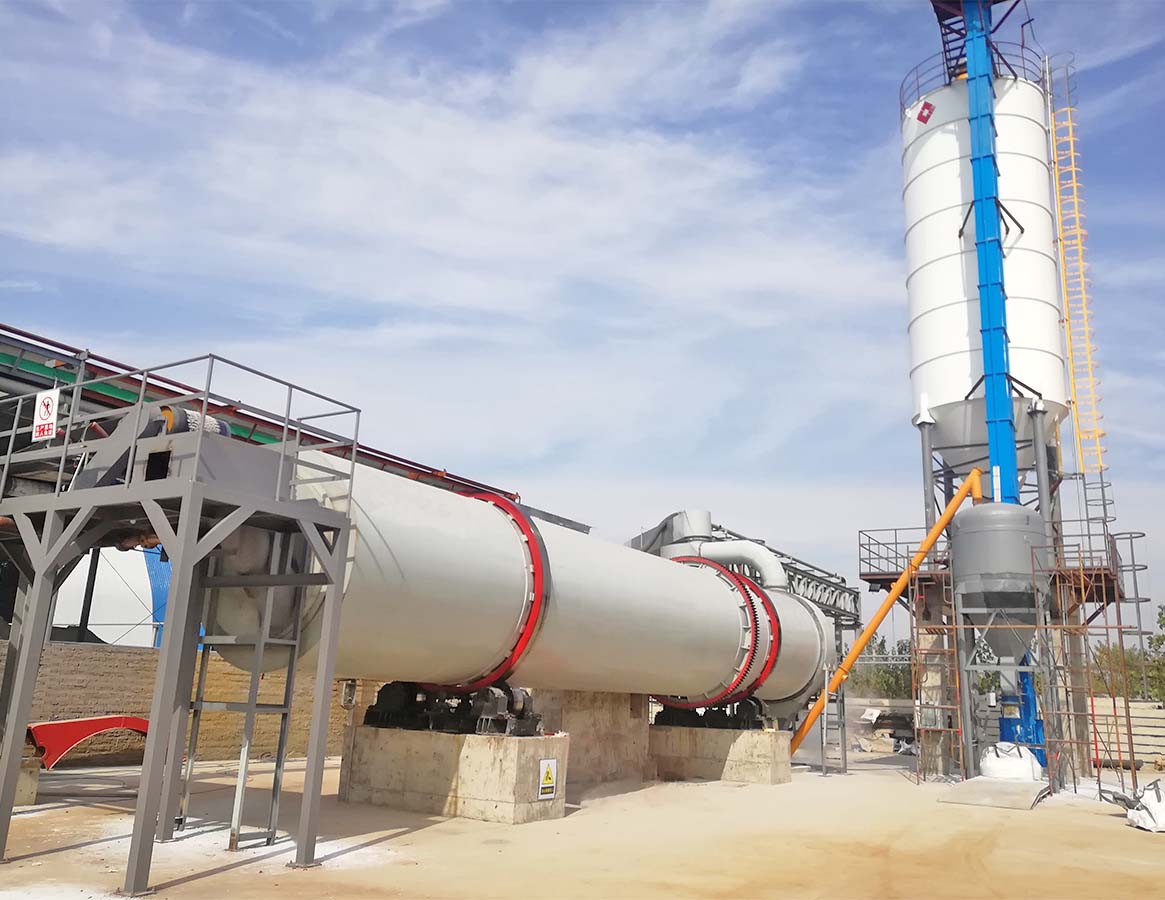
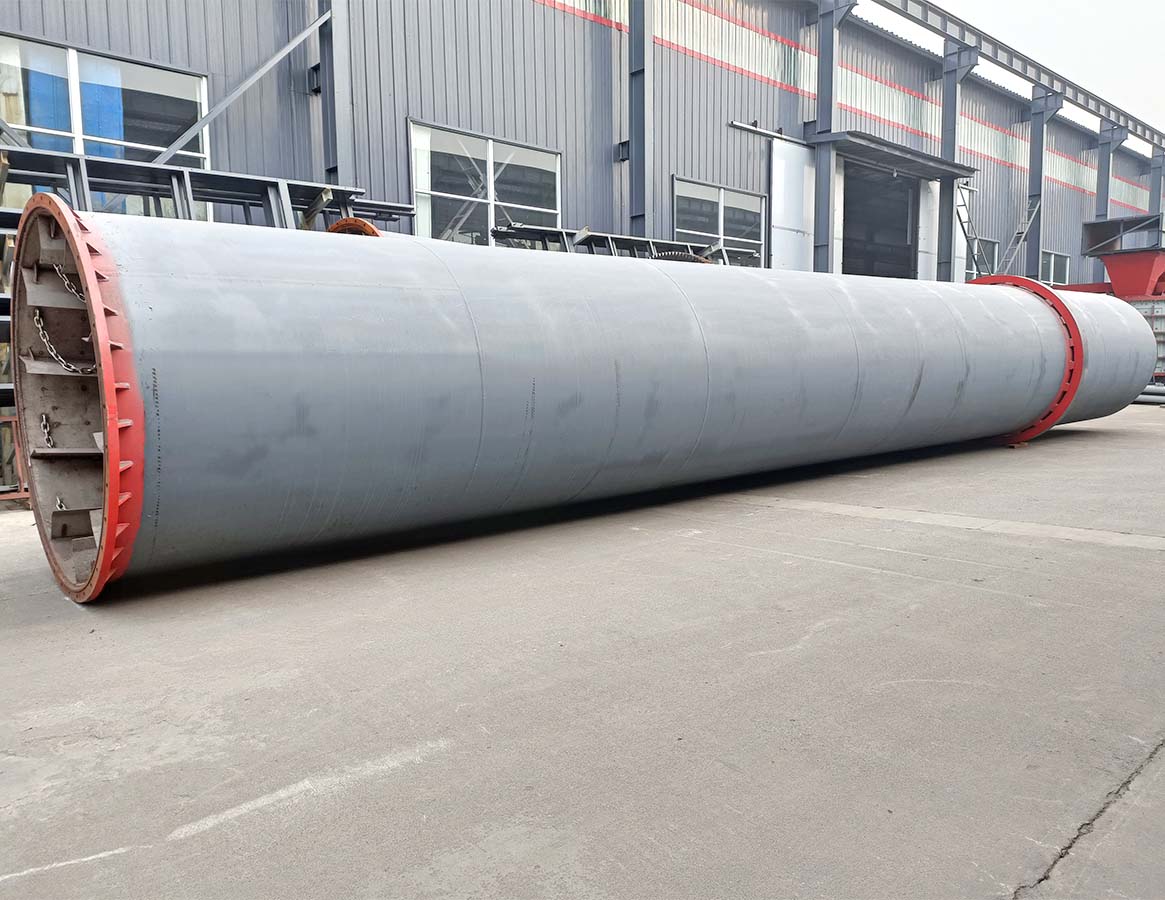
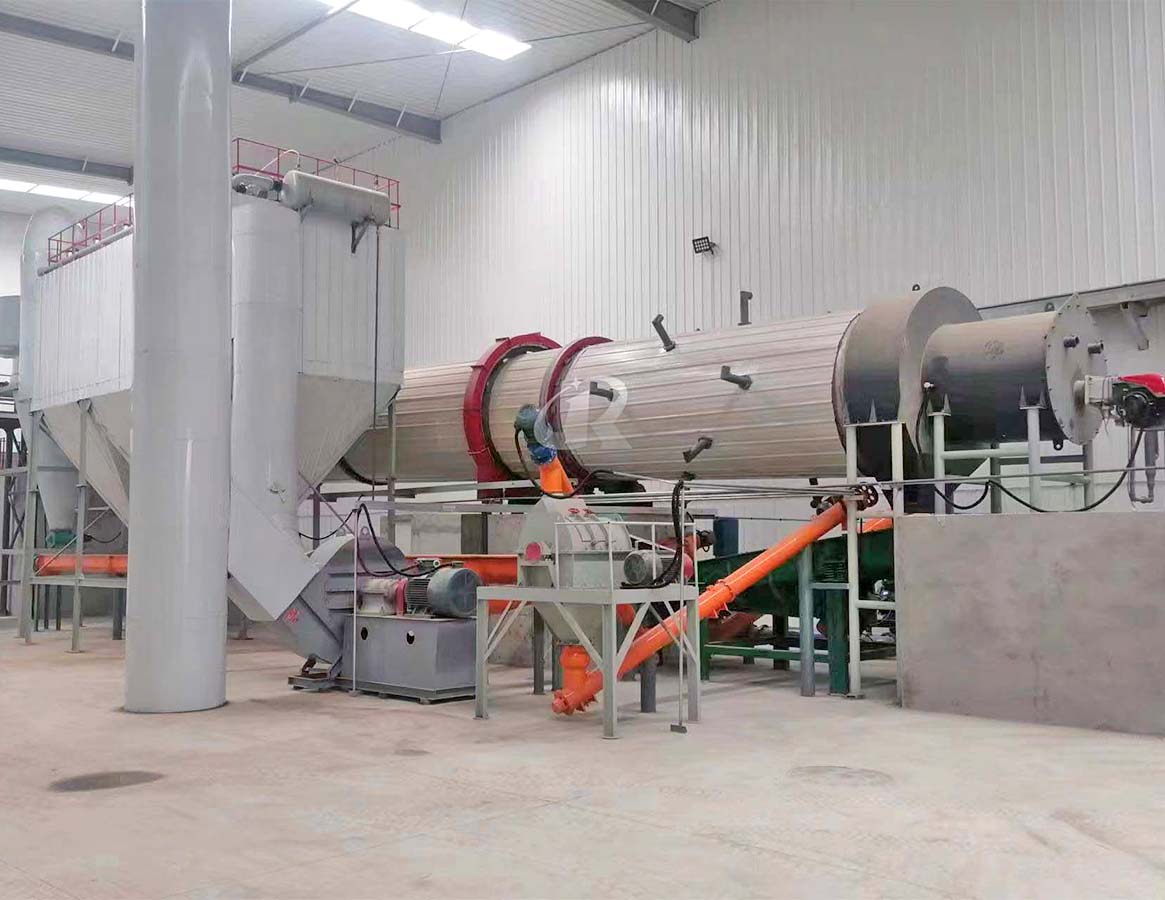
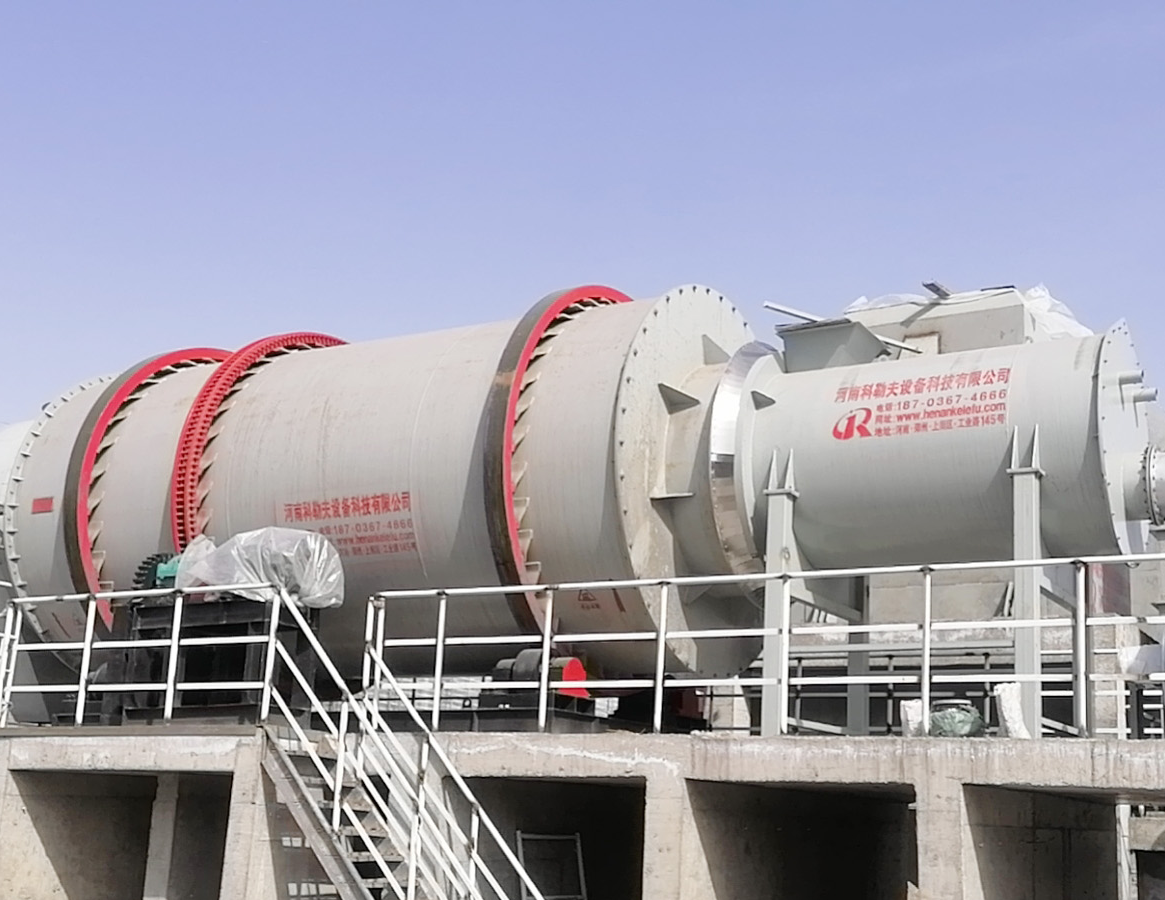
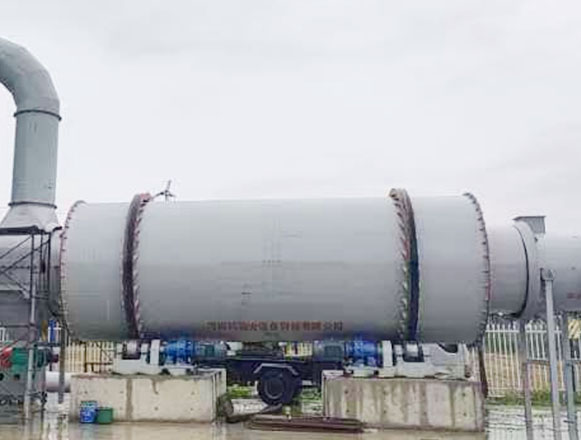
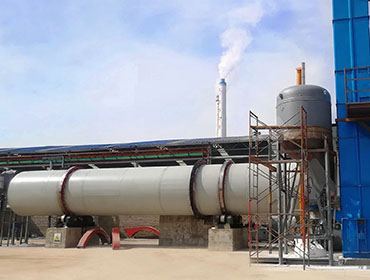
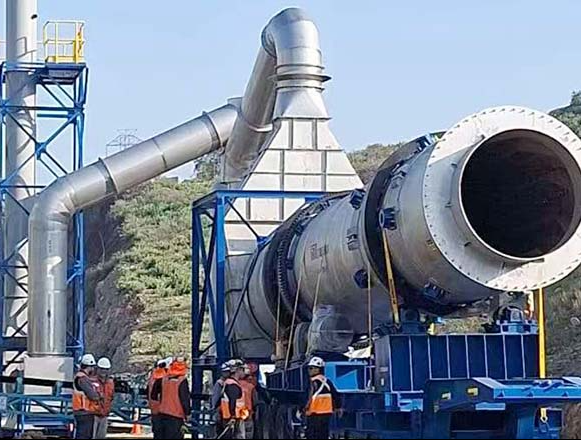
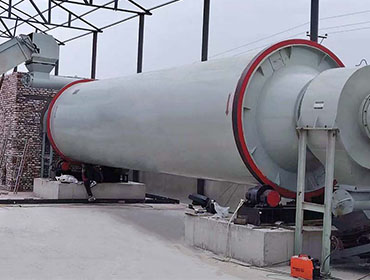
Gypsum Calcination Kiln,Gypsum Rotary Kiln is a specialized thermal equipment designed for calcining natural gypsum (CaSO₄·2H₂O) or industrial by-product gypsum (such as FGD gypsum, phosphogypsum, etc.). Through precise temperature control, it converts dihydrate gypsum into hemihydrate gypsum (plaster of Paris) or anhydrite, which meets the requirements for construction, medical, and industrial applications. Featuring large capacity, low energy consumption, and high product stability, it is a critical component in modern gypsum powder production lines.
The Gypsum Rotary Kiln is widely used in the following areas:
Construction Materials: Production of construction plaster, putty powder, gypsum board, and gypsum blocks.
Ceramic Molds: Providing high-precision, high-strength, and high-permeability ceramic mold gypsum.
Medical & Dental: Manufacturing dental stone and medical casting plasters.
Industrial & Agricultural: Used as cement retarders, soil conditioners, and for precision casting.
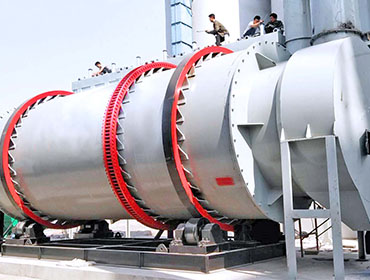
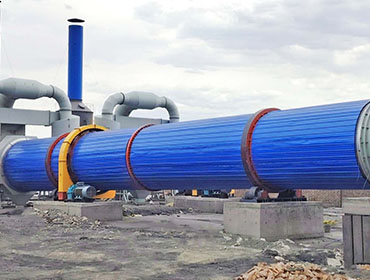
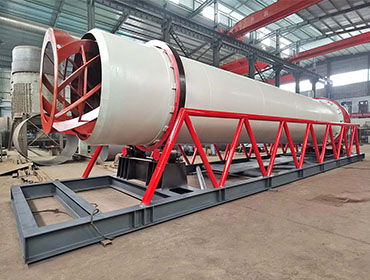
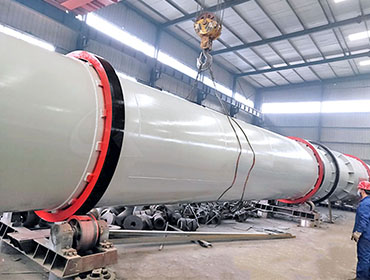
The Gypsum Rotary Kiln mainly consists of the cylinder, supporting device, drive device, sealing device, combustion system, and cooling system.
Feeding: Dihydrate gypsum (containing free water and crystal water) is fed from the kiln tail (high end).
Drying & Preheating: As the cylinder rotates, the material moves slowly towards the kiln head (low end). It first contacts the high-temperature countercurrent flue gas to remove surface free water.
Calcination & Dehydration: Entering the calcination zone, the material temperature rises to approximately 120°C–200°C. Under high temperature, dihydrate gypsum undergoes thermal decomposition, losing 1.5 molecules of crystal water to become hemihydrate gypsum (CaSO₄·1/2H₂O). By precisely controlling the temperature and duration, the ratio of the three phases (hemihydrate, anhydrite, residual dihydrate) can be adjusted to meet various application requirements.
Cooling & Discharge: The calcined plaster enters the cooling section. It is cooled by external water spray or internal coolers to prevent undesirable transformation of anhydrite. Finally, the finished product is discharged from the kiln head for subsequent grinding or storage.
| Model | Speed (r/min) | Slope (%) | Capacity (t/h) | Temperature (°C) | Motor Power (kW) | Weight (t) |
|---|---|---|---|---|---|---|
| φ1.6×32m | 0.58-2.85 | 4 | 2 | 120-250 | 18.5 | ~15 |
| φ1.6/1.9×36m | 0.53-1.59 | 4 | 2.5-3 | 120-250 | 22 | ~18 |
| φ1.9×18m | 0.6-3 | 3 | 190 t/d* | 120-250 | 22 | 38 |
| φ1.9×39m | 0.53-1.59 | 4 | 3-3.4 | 120-250 | 37 | ~22 |
| φ2.14×23m | 0.6-3 | 3 | 240 t/d* | 120-250 | 37 | 55 |
| φ2.2×45m | 0.214-1.64 | 3.5 | 4-5 | 120-250 | 45 | ~45 |
| φ2.5×50m | 0.62-1.5 | 3.5 | 5-6 | 120-250 | 55 | ~55 |
| φ2.5×55m | 0.62-1.5 | 3.5 | 5-6 | 120-250 | 55 | ~60 |
| φ2.8×55m | 0.62-1.5 | 3.5 | 6-7 | 120-250 | 75 | ~70 |
| φ3.0×60m | 0.5-1.5 | 3.5 | 7-9 | 120-250 | 125 | ~95 |
| φ3.2×64m | 0.4-1.5 | 3.5 | 8-10 | 120-250 | 190 | ~110 |
| φ3.5×70m | 0.4-1.5 | 3.5 | 12-14 | 120-250 | 280 | ~140 |
| φ4.0×80m | 0.4-1.5 | 3.5 | 16-20 | 120-250 | 355 | ~180 |
Note: Values marked with t/d indicate daily processing capacity (tons per day); unmarked values are hourly capacity (t/h)
We're here to help with all your inquiries. Send us a message and we'll get back to you promptly.
Fill out the form below and we'll contact you soon