Get Free Quote
Contact us for personalized pricing
Alfalfa Rotary Dryer | Hay Triple-Pass Dryer - Premium Forage Drying Equipment
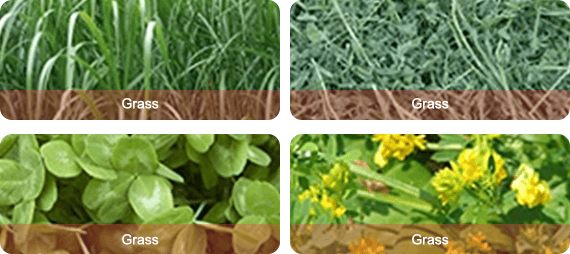
In hay and forage production, drying is a critical step that determines final quality and market value. Whether it's alfalfa hay, oat hay, timothy hay, ryegrass, or other legume and grass forages, improper or untimely drying can lead to leaf shatter, nutrient loss, mold, and spoilage, resulting in significant economic losses. Traditional sun-curing methods are heavily dependent on weather conditions, offering low efficiency and failing to guarantee consistent color, aroma, and protein content.
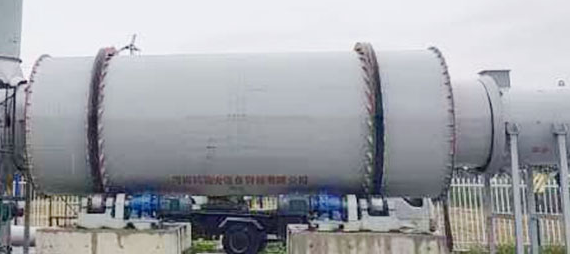
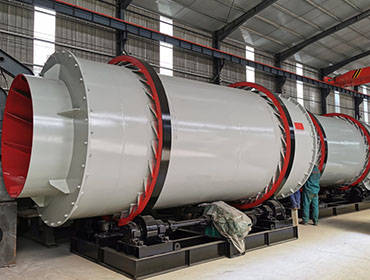
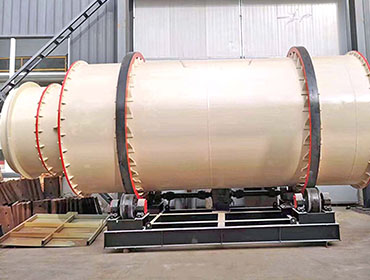
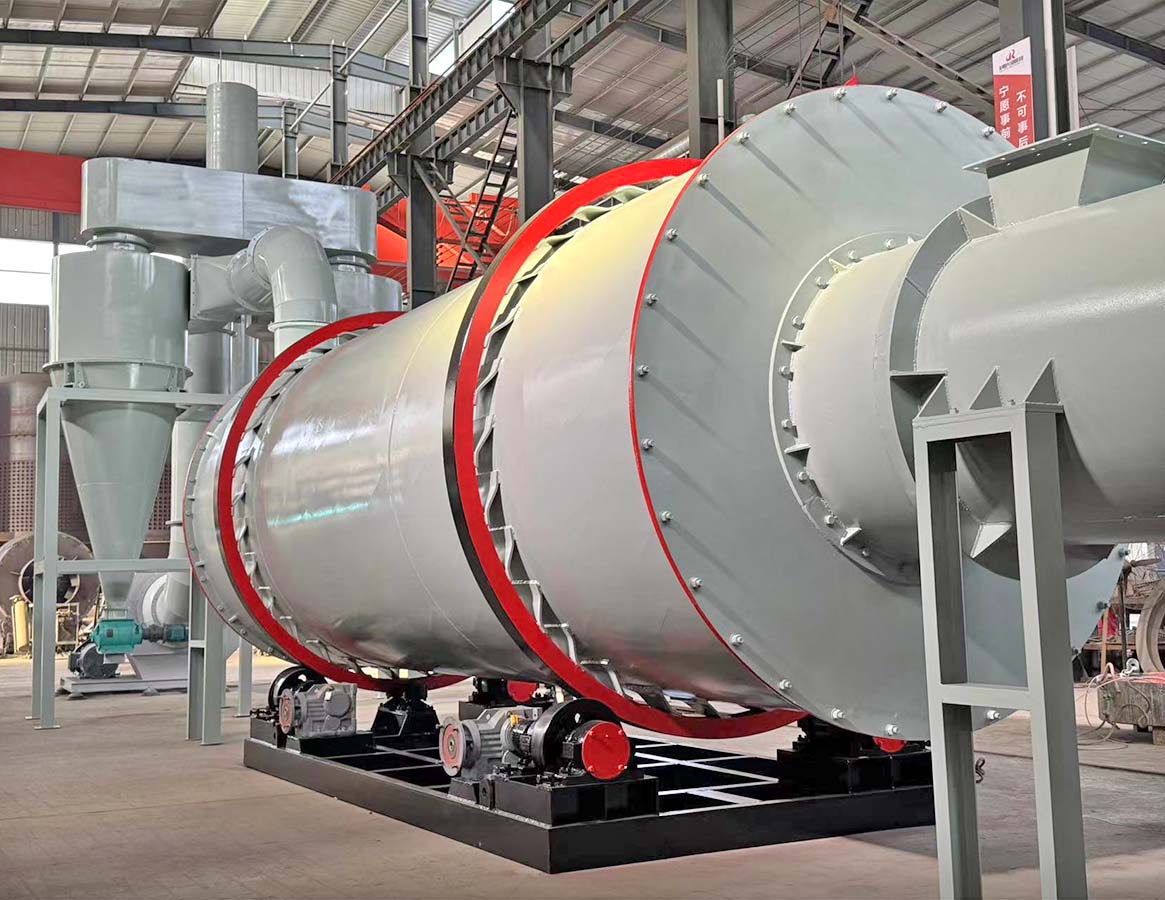
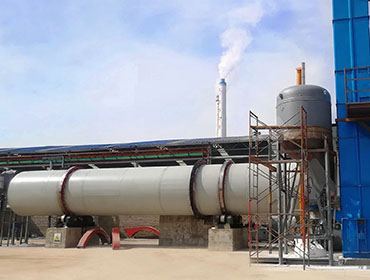
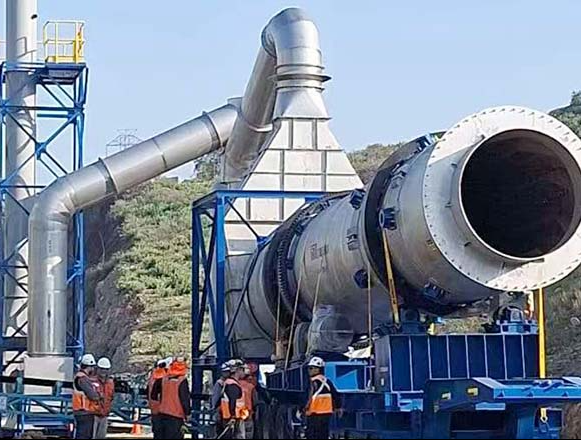
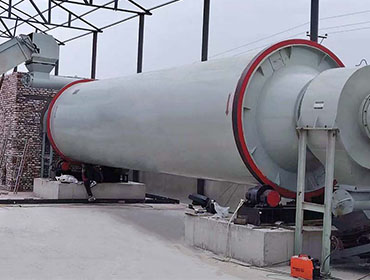
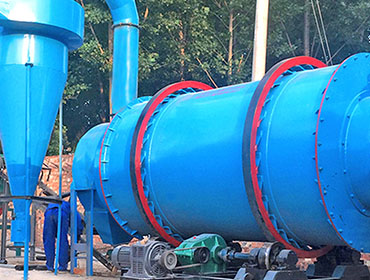
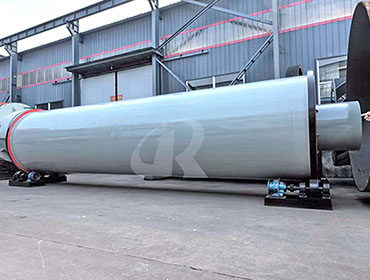
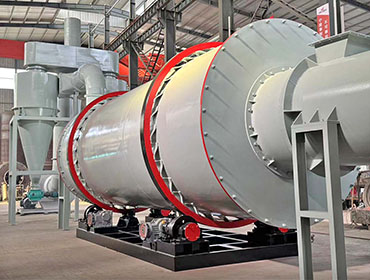
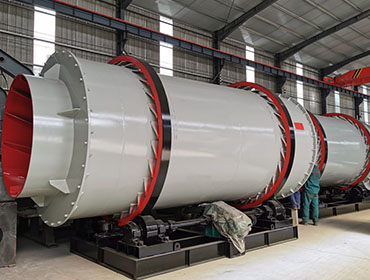
The Triple-Pass Rotary Dryer is the ideal choice for drying forage materials. Compared with traditional single-drum dryers, the triple-pass design utilizes three concentric cylinders nested inside each other, effectively extending the drying path while significantly reducing equipment length—achieving thermal efficiency exceeding 80%, over 50% less floor space, and 40%-60% lower energy consumption. More importantly, the triple-pass dryer employs a low-temperature, high-air-volume drying process, rapidly reducing fresh forage moisture from 65%-80% down to 12%-15% in just minutes, maximizing retention of core nutrients such as chlorophyll, crude protein, and digestible fiber, ensuring hay that is vibrant green, aromatic, and of superior quality.
Whether you are a large-scale hay grower, a professional forage processing plant, or an export-grade hay producer, one Hay Rotary Dryer can help you eliminate weather dependency, dramatically increase production efficiency, and enhance product value.
Dried products from the Alfalfa Rotary Dryer can be widely used in the following applications:
| Application | Typical Materials | Value Proposition |
|---|---|---|
| High-Value Export Hay | Alfalfa hay, timothy hay, oat hay | Achieves export-grade standards (vibrant green color, stable protein content), commanding 2-3 times the price of sun-cured hay |
| Dairy Cattle Feed | Alfalfa hay, oat hay, ryegrass | Improves palatability, increases milk production, reduces feed costs |
| Racehorse & Premium Pet Feed | Timothy hay, alfalfa pellets | Meets the high-end market demands of racehorses, rabbits, guinea pigs, etc. |
| Organic Fertilizer | Hay fines, low-grade hay | Serves as organic fertilizer base material for soil improvement |
| Biomass Fuel | Hay pellets, briquettes | High calorific value, used as renewable energy for boiler combustion |
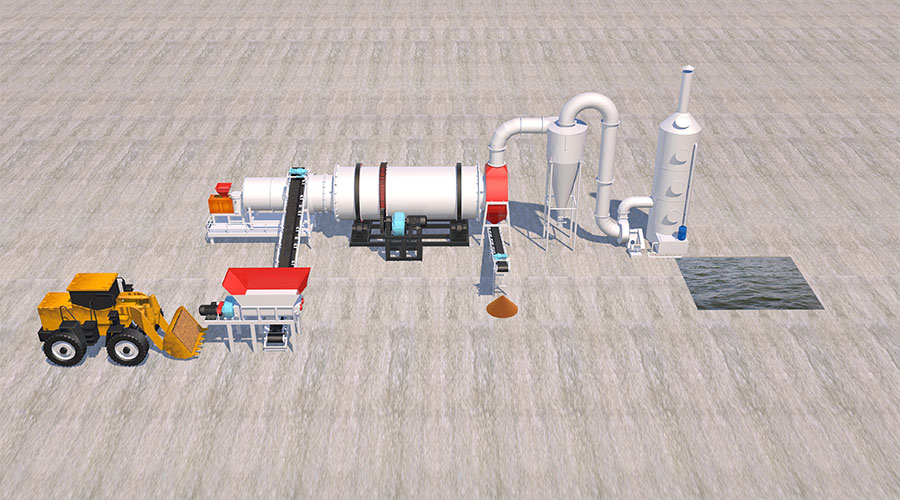
The Alfalfa Triple-Pass Rotary Dryer utilizes three concentric cylinders nested inside each other, dividing the forage drying process into three stages while leveraging the "self-insulating" effect of thermal energy, with special optimization for the long-fiber, temperature-sensitive characteristics of hay:
Stage One: Outer Cylinder (Co-current Drying)
Freshly cut forage (65%-80% moisture) is fed into the outer cylinder via an apron or belt conveyor. Low-temperature hot air (approx. 160°C-280°C, significantly lower than traditional equipment) flows in the same direction as the material, rapidly evaporating surface free water from the forage. Combined lifting plates on the inner wall continuously lift, drop, and disperse the forage, forming a uniform "material curtain" that maximizes heat exchange area. This stage quickly removes surface moisture, preventing material accumulation and heat generation.
Stage Two: Middle Cylinder (Counter-current Drying)
Material enters the middle cylinder where hot air flows in the opposite direction. The middle cylinder is surrounded by the outer and inner cylinders, creating a self-insulating system—heat dissipated from the inner and outer cylinders is absorbed by the material in the middle, achieving full thermal utilization and significantly improving thermal efficiency. This stage provides deep dewatering, removing bound moisture from within the forage, while the gentle drying curve protects leaves from becoming brittle or shattering.
Stage Three: Inner Cylinder (Reciprocating Drying)
Material enters the inner cylinder where moisture has been significantly reduced. Under the action of specially designed rectangular multi-loop lifting plates, the material moves in a "two steps forward, one step back" pattern, extending residence time and ensuring uniform drying. Final moisture is stably controlled at 12%-15%.
Leaf Retention & Quality Protection Design:
Low-Temperature, High-Air-Volume Process: 160°C-280°C low-temperature hot air prevents leaf brittleness and shattering caused by high temperatures
Gentle Lifting Structure: Specially curved lifting plates gently tumble the forage, minimizing mechanical damage
Rapid Dewatering: Short drying time maximizes retention of chlorophyll and protein
Gas-Solid Separation: Dried forage is discharged via a discharger, while dust-laden exhaust gas enters a high-efficiency pulse baghouse filter for purification before being safely discharged. Fine forage particles are recovered and can be remixed into the final product.
| Model (Dia×Length) | Capacity (T/H) | Initial Moisture (%) | Final Moisture (%) | Total Power (kW) |
|---|---|---|---|---|
| Ф2.0×10m | 2 – 6 | 65 – 80 | 12 – 15 | 78 |
| Ф2.2×10m | 4 – 10 | 65 – 80 | 12 – 15 | 85 |
| Ф2.5×10m | 6 – 15 | 65 – 80 | 12 – 15 | 110 |
| Ф2.5×12m | 8 – 18 | 65 – 80 | 12 – 15 | 125 |
| Ф2.9×12m | 12 – 25 | 65 – 80 | 12 – 15 | 135 |
Designed for the Hay Industry: We deeply understand the core requirements of forage drying—preserving nutrients, maintaining color, preventing mold, retaining leaves. From low-temperature processes to leaf retention design, every aspect is optimized for forage characteristics, ensuring dried hay meets or exceeds export-grade quality standards.
Significantly Increase Hay Grade & Market Value: Dried hay boasts a vibrant green color, aromatic scent, and stable nutrition, allowing entry into high-value export markets or premium livestock operations. For alfalfa hay, sun-cured products sell for approximately $250-300/ton, while mechanically dried products can reach $400-500/ton—a premium of $150-200 per ton.
Eliminate Weather Dependency: Whether during rainy seasons or winter, the equipment operates continuously 24/7, enabling industrial-scale forage production and ensuring stable year-round supply.
Reduce Storage & Transportation Costs: Over 50% moisture reduction means double the dry matter content per unit weight, significantly reducing storage space and logistics costs.
Support Sustainability & Carbon Reduction: Dried hay as high-quality feed improves livestock efficiency and reduces farm carbon emissions. Aligns with global carbon neutrality and sustainable development trends.
Global Service Network: With over 20 years of experience serving agricultural customers worldwide, our products have been exported to over 50 countries and regions including the US, Canada, Australia, Japan, Korea, the Middle East, and Europe. We dispatch engineers for overseas installation and commissioning, providing bilingual technical support.
EPC Turnkey Capability: From material testing, process design, and equipment manufacturing to installation, commissioning, and personnel training—complete turnkey engineering services.
Upgrade your hay from "ordinary feed" to "premium product"! If you are struggling with low drying efficiency, inconsistent quality, or weather dependency, contact us today to get a forage triple-pass drying solution tailored to your operation.
Get Your Customized Solution:
Request a Quote → Tell us your capacity, heat source availability, and site conditions, and we will respond within 24 hours
Schedule a Technical Discussion → Speak one-on-one with our forage drying engineer
We're here to help with all your inquiries. Send us a message and we'll get back to you promptly.
Fill out the form below and we'll contact you soon