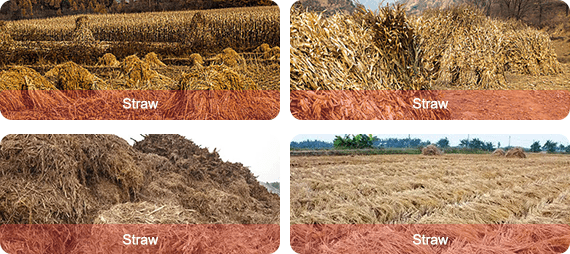
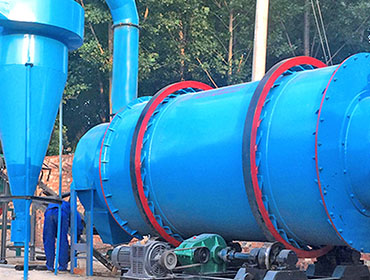
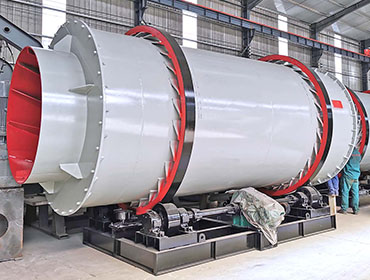
Hundreds of millions of tons of straw waste are generated globally each year, including wheat straw, rice straw, corn straw, sorghum straw, soybean straw, and rapeseed straw. These materials have a moisture content of 30%-60%. If not processed promptly, they not only waste resources but also cause serious environmental pollution through open burning or decay. However, dried straw is an extremely valuable biomass fuel, animal feed, organic fertilizer, and industrial raw material.
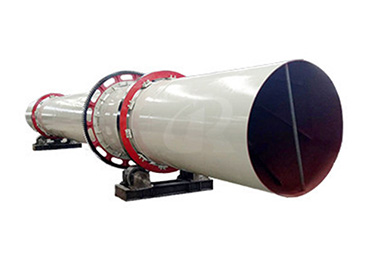
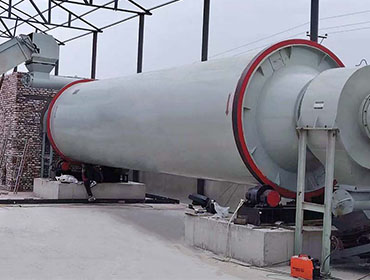
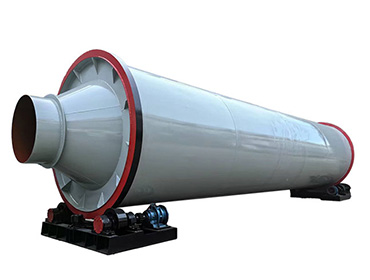
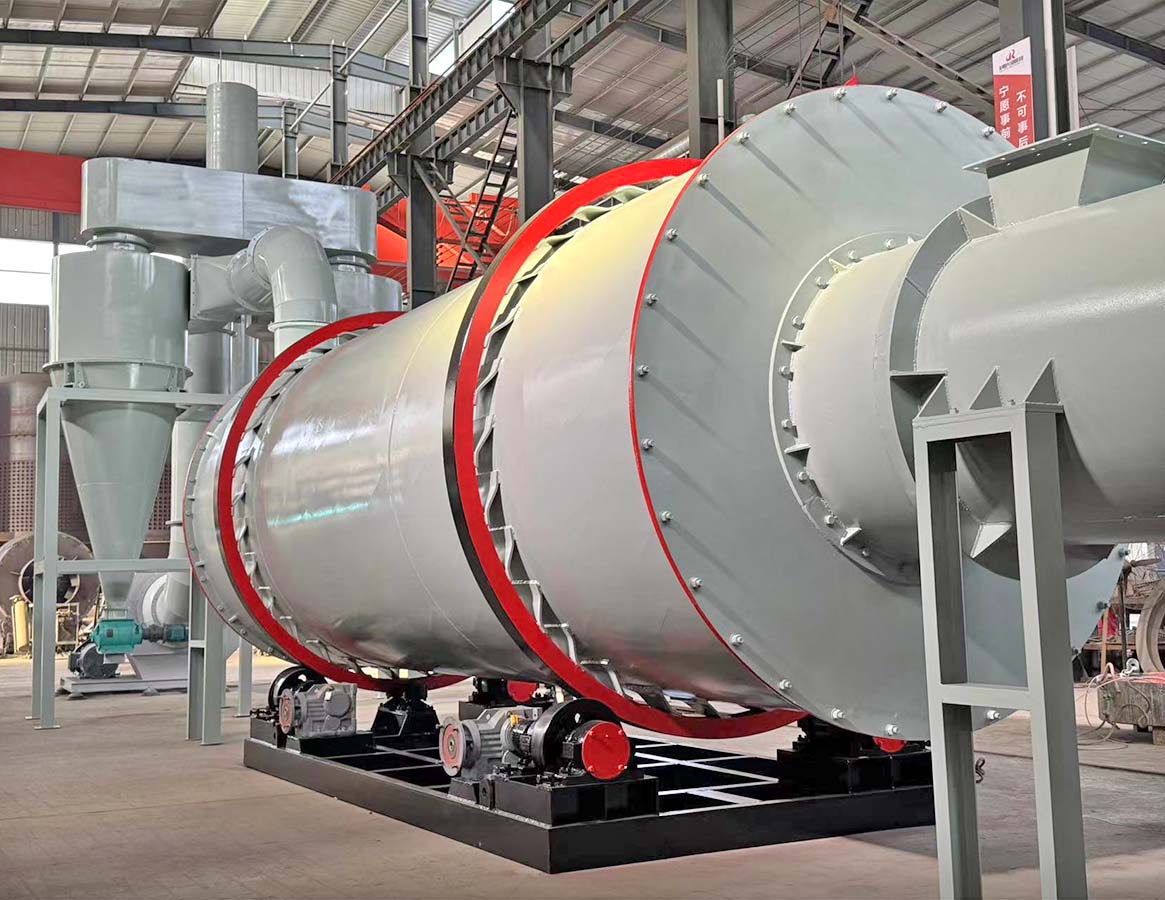
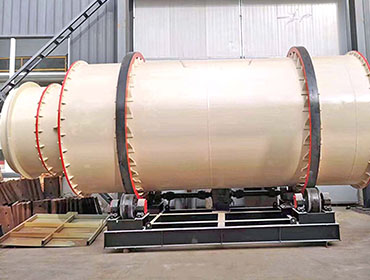
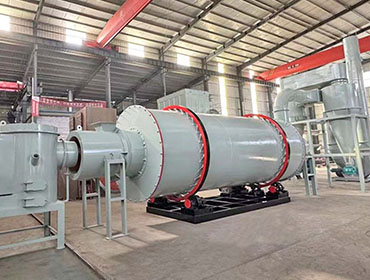
Triple-Pass Rotary Dryer is the ideal choice for drying straw materials. Compared with traditional single-drum dryers, the triple-pass design utilizes three concentric cylinders nested inside each other, effectively extending the drying path while significantly reducing equipment length—achieving thermal efficiency exceeding 80%, over 50% less floor space, and 40%-60% lower energy consumption.
After processing with a triple-pass rotary dryer, straw moisture can be rapidly reduced to 12%-15%, significantly improving its calorific value. The dried straw can be directly used for biomass power generation, boiler fuel, pellet fuel, or further processed into high-protein feed, fiberboard, mushroom cultivation substrate, organic fertilizer, and more—turning an "agricultural burden" into "green wealth."
Dried products from the Straw Triple-Pass Dryer can be widely used in the following applications:
| Application | Product Form | Value Proposition |
|---|---|---|
| Biomass Fuel | Straw pellets, briquettes | Calorific value reaches 14-18 MJ/kg, replacing coal for boilers and power plants |
| Animal Feed | Straw feed (dry) | Ruminant roughage, reducing feeding costs |
| Organic Fertilizer | Straw organic fertilizer, biochar | Soil improvement, increasing organic matter |
| Mushroom Cultivation | Mushroom substrate | Cultivation medium for oyster mushrooms, shiitake, etc. |
| Fiberboard | Straw board, particleboard | Eco-friendly building material, wood substitute |
| Pulp & Paper | Straw pulp | Non-wood fiber raw material for packaging paper |
| Biogas | Biogas feedstock | Dry fermentation for biomethane productio |
The Triple-Pass Rotary Dryer utilizes three concentric cylinders nested inside each other, dividing the straw drying process into three stages and leveraging the "self-insulating" effect of thermal energy:
Stage One: Outer Cylinder (Co-current Drying)
Wet straw is fed into the outer cylinder via an apron or belt conveyor. High-temperature hot air (approx. 250-400°C) flows in the same direction as the material, rapidly evaporating surface free water from the straw. Combined lifting plates on the inner wall continuously lift, drop, and disperse the straw, forming a uniform "material curtain" that maximizes heat exchange area.
Stage Two: Middle Cylinder (Counter-current Drying)
Material enters the middle cylinder where hot air flows in the opposite direction. The middle cylinder is surrounded by the outer and inner cylinders, creating a self-insulating system—heat dissipated from the inner and outer cylinders is absorbed by the material in the middle, achieving full thermal utilization and significantly improving thermal efficiency. This stage provides deep dewatering, removing bound moisture from within the straw.
Stage Three: Inner Cylinder (Reciprocating Drying)
Material enters the inner cylinder where moisture has been significantly reduced. Under the action of specially designed rectangular multi-loop lifting plates, the material moves in a "two steps forward, one step back" pattern, extending residence time and ensuring uniform drying. Final moisture is stably controlled at 12%-15%.
Anti-Tangling & Anti-Blocking Design: Straw has long, easily tangled fibers. The cylinder features special anti-tangling lifting plates and a rotary rake breaking device, ensuring smooth material flow and completely eliminating blockages.
Gas-Solid Separation: Dried straw is discharged via a discharger, while dust-laden exhaust gas enters a high-efficiency pulse baghouse filter for purification before being safely discharged.
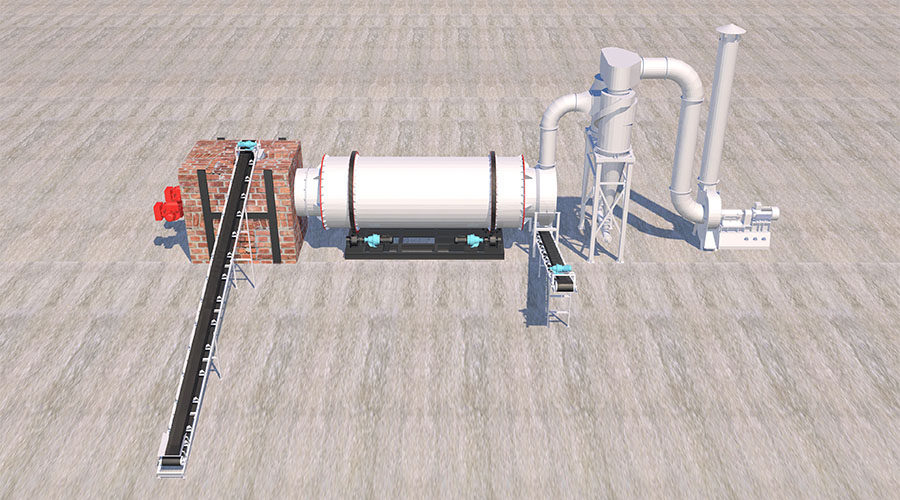
| Model (Dia×Length) | Capacity (T/H) | Initial Moisture (%) | Final Moisture (%) | Total Power (kW) | Weight (kg) | Area Occupancy (W×L) |
|---|---|---|---|---|---|---|
| Ф1.4×9m | 1.0 – 1.5 | 35 – 60 | 12 – 15 | 34 | 22,000 | 5m × 15m |
| Ф1.6×15m | 2.0 – 2.5 | 35 – 60 | 12 – 15 | 45 | 28,000 | 6m × 22m |
| Ф2.0×8m (three-pass) | 3.5 – 5.0 | 35 – 60 | 12 – 15 | 78 | 40,000 | 8m × 16m |
| Ф2.0×10m (three-pass) | 4.5 – 6.5 | 35 – 60 | 12 – 15 | 90 | 45,000 | 8m × 18m |
| Ф2.2×10m (three-pass) | 5.0 – 7.0 | 35 – 60 | 12 – 15 | 105 | 50,000 | 8m × 20m |
| Ф2.5×10m (three-pass) | 6.0 – 8.5 | 35 – 60 | 12 – 15 | 125 | 60,000 | 10m × 20m |
| Ф2.5×12m (three-pass) | 7.0 – 10.0 | 35 – 60 | 12 – 15 | 140 | 68,000 | 10m × 24m |
| Ф2.9×12m (three-pass) | 8.0 – 11.5 | 35 – 60 | 12 – 15 | 155 | 76,000 | 10m × 24m |
Designed Specifically for Straw Materials: We deeply understand the characteristics of straw—long fibers, high moisture, easy tangling, and flammable dust. From anti-tangling lifting plates to explosion-proof systems, every aspect is optimized for straw.
Significantly Increase Resource Value: Reducing straw moisture from 40%-60% to 12%-15% increases calorific value by 2-3 times, transforming low-value agricultural waste into high-value biomass fuel or feed ingredients.
Turn Waste into Value, Create Additional Revenue: Dried straw can be sold to biomass power plants, feed mills, board plants, and organic fertilizer facilities—turning a waste disposal cost (or open burning prohibition) into a stable income stream.
Support Carbon Reduction & Sustainable Development: Using dried straw as biomass energy to replace coal significantly reduces carbon emissions. Aligns with global carbon neutrality and circular economy trends, helping customers obtain carbon credits or green subsidies.
Global Service Network: With over 20 years of experience serving the global agricultural and biomass industries, our products have been exported to over 50 countries and regions including the US, Canada, Germany, Poland, Ukraine, Russia, China, India, Thailand, and Brazil. We dispatch engineers for overseas installation and commissioning, providing multilingual technical support.
EPC Turnkey Capability: From material testing, process design, and equipment manufacturing to installation, commissioning, and personnel training—complete turnkey engineering services.
Turn your straw from "agricultural waste" into "green wealth"! If you are struggling with straw disposal or looking to create additional revenue for your farm, cooperative, or biomass project, contact us today to get a straw drying solution tailored to your needs.
Get Your Customized Solution:
Request a Quote → Tell us your capacity, material type, heat source availability, and site conditions, and we will respond within 24 hours
Schedule a Technical Discussion → Speak one-on-one with our straw drying engineer